Carpet Cleaning in Chelsea
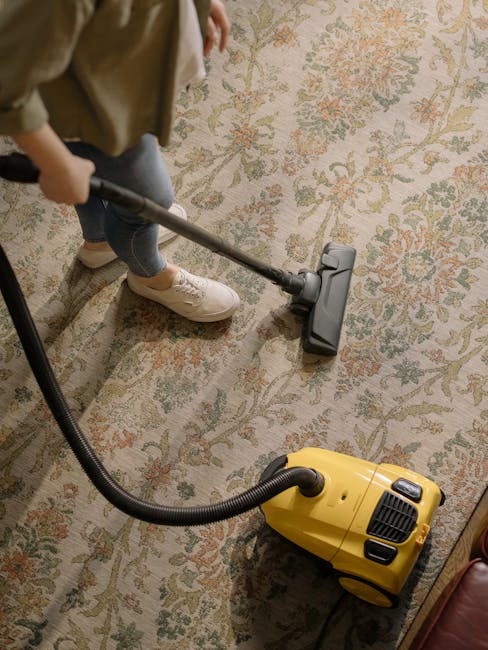
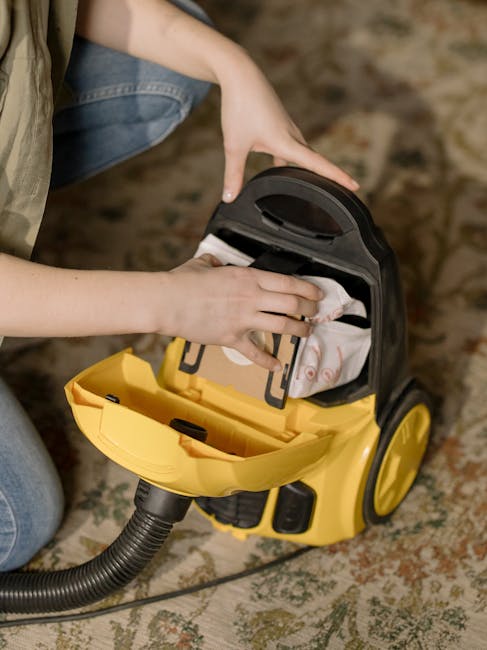
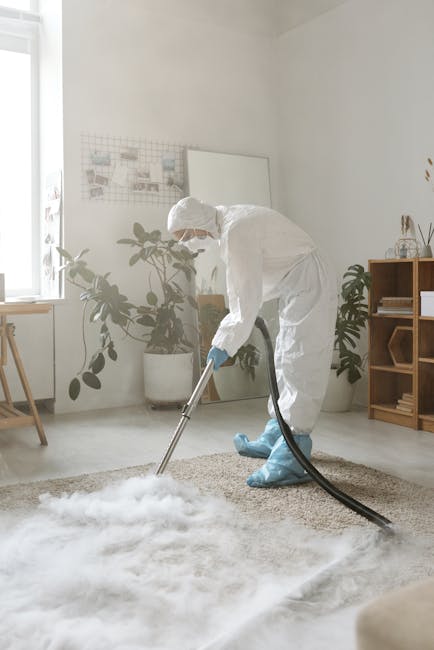
Carpet cleaning in Chelsea should do more than lift surface dust. It should restore the look, feel and freshness of flooring that carries daily footfall, furniture marks and the fine debris that settles deep into fibres. We provide carpet cleaning for homes, flats and workplaces in Chelsea, with a practical service focused on removing embedded soiling, refreshing pile appearance and helping carpets stay presentable for longer. The work is suited to routine upkeep, one-off deep cleaning and more considered care for delicate or high-use textiles.
Our service can include careful inspection, fibre-appropriate cleaning methods and attention to the edges, traffic lanes and other areas that typically show wear first. Where carpets have specific stains or odours, we assess the likely cause before choosing the approach. That helps us avoid unnecessary treatment and keeps the process more controlled. For customers comparing options, the most useful starting point is often the carpet type, the level of soiling and whether any previous products have been used.
If you are planning a clean, it helps to think about the fibre, the room use and the level of staining before you request a price. A well-prepared enquiry makes it easier to match the right method to the carpet rather than treating every job the same way. You can also review our pricing and quotes page for a clearer idea of how quotations are approached, or simply get in touch with the details you already have.
What our carpet cleaning service covers
Different carpets need different handling. A wool loop pile, for example, may need a more measured approach than a synthetic carpet in a busy hallway. We work with the nature of the textile in mind, aiming to clean thoroughly while respecting pile structure, colour stability and drying needs. That is especially important where carpets have been laid for a long time, where furniture has compressed the pile, or where spot cleaning has left uneven marks that are now more noticeable than the original stain.
The service is designed to deal with the practical issues customers notice day to day: dull appearance, ground-in dirt, tired traffic paths and patches that no longer match the rest of the floor. In many cases the work is part of a wider care plan for a room, alongside upholstery or rug treatment when those items need similar attention. For households and businesses that want a broader clean, our deep cleaning page shows how more detailed cleaning can be combined across different surfaces.
We also pay attention to edges, corners and threshold areas because these often collect more dust than the visible centre of the room. If there are movement patterns from chairs, pets or repeated entry from outside, those areas are usually where results matter most. The aim is a clean that looks even rather than patchy, with a sensible finish that supports everyday use instead of creating a short-lived cosmetic improvement.
Choosing the right approach for your carpet
Choosing the right method begins with understanding the carpet itself. Synthetic fibres are often more forgiving, while natural fibres may need more cautious treatment to avoid distortion or over-wetting. We consider pile construction, age, prior cleaning history and any visible staining before deciding how to proceed. That makes the service more reliable than using a one-method-fits-all approach, particularly in rooms where a small mistake would be noticeable.
In practical terms, that means we may adapt cleaning around traffic lanes, furniture positions and areas that have become flattened over time. A careful clean should improve the overall appearance without creating a brighter patch only in one area. Where there are known marks from food, drink or general household use, it is useful to identify them early so they can be treated with the most suitable technique rather than a generic pass that misses the point.
Useful details to share when asking for a quotation include:
- the number of rooms or areas to be cleaned
- the approximate carpet type, if known
- any stains, wear patterns or strong odours
- whether the carpet has been cleaned before
- if access or furniture moving may affect the work
Stain treatment and refresh work
Stain treatment is rarely about one miracle product. It is usually a sequence of sensible decisions based on the type of mark, how long it has been present and what the carpet is made from. Food spills, drinks, tracked-in grime and pet-related marks all behave differently. We focus on removing as much of the visible stain as is realistically possible while protecting the carpet from unnecessary damage. In some cases the stain will fade significantly; in others, the aim is to reduce its visibility and stop it standing out.
Freshen-up work can also be valuable even when no single stain is the main concern. Carpets often look tired because fine dust and general soil cling to the fibres in a way that regular vacuuming cannot fully resolve. A proper clean can improve colour clarity, soften the appearance of worn paths and help a room feel more cared for. For furniture fabrics that need similar attention, our upholstery cleaning page outlines the related service areas we can handle.
Where carpets hold odours rather than obvious marks, treatment needs to be careful and realistic. Odour may come from spills, damp conditions or prolonged everyday use, and the best result usually depends on the source being understood first. We do not promise that every issue will disappear completely, but we do approach the work with the aim of reducing visible and sensory reminders so the carpet is more comfortable to live or work with.
Carpet cleaning for busy rooms and shared spaces

Busy rooms need carpet care that is practical, not overcomplicated. Hallways, reception areas, living rooms and other shared spaces tend to show wear more quickly because they receive repeated foot traffic and occasional spills. Cleaning in these areas is often about managing appearance and keeping the floor consistent across the whole surface, rather than focusing on one isolated mark. That is why the pre-clean inspection matters: it helps identify where the work should be most concentrated.
In commercial settings, we aim to clean around use patterns sensibly so the carpet can return to service with less disruption to the day. In domestic settings, the focus may be on dust reduction, freshness and improving the look of the room before visitors arrive or seasonal use changes. When a property needs a broader tidy-up alongside the carpets, our one-off cleaning page may be helpful as part of a larger plan.
Some carpets in shared spaces are more vulnerable than they appear. Light colours can show changes in pile direction, while darker carpets may reveal dust and lint more readily than expected. A careful clean takes that into account and works for an even finish. It is often better to improve the whole surface steadily than to over-treat only the obvious mark and leave the rest of the carpet looking untouched.
Working with rug, sofa and upholstery care
Carpet cleaning is often most useful when it sits alongside other fabric care. Rugs, sofas and upholstered chairs collect similar household soil, but they behave differently because of weave, padding and shape. If you are caring for several textile surfaces at once, it can make sense to handle them with a joined-up plan so the results feel consistent throughout the room. Our rug cleaning service is suitable where smaller floor coverings need separate attention.
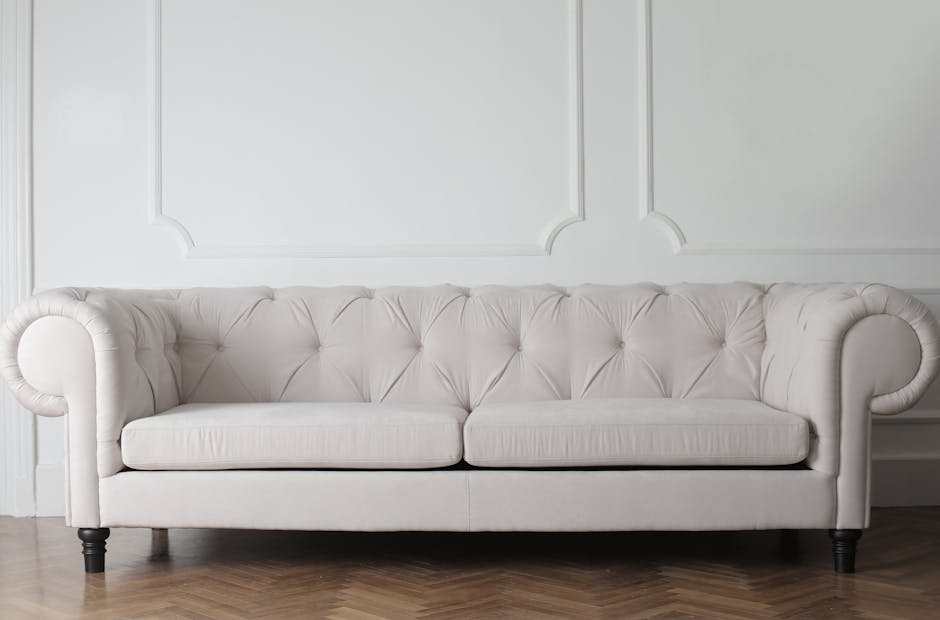
Likewise, larger fabric items can benefit from a method chosen for the material rather than a basic spot clean. A sofa or armchair may need closer inspection around seams, arms and cushion areas where body oils and general use show up first. For that reason, the related sofa cleaning page explains a useful neighbouring service for homes that want more than carpet-only treatment. Coordinating these tasks can also help the room appear more even once everything is back in place.
Consistent fabric care is often more effective than treating each item as an isolated job. Where carpets and soft furnishings are cleaned together, the overall finish is usually more balanced because the same room no longer contains one freshly treated item beside several visibly tired ones. That does not mean everything requires cleaning every time; it means the customer can decide what genuinely needs attention rather than relying on guesswork.
About Chelsea

Chelsea is a district in the Royal Borough of Kensington and Chelsea in west London, long associated with riverside setting, fine streets and an established cultural life. Its position beside the Thames gives the area a distinct relationship with the waterfront, particularly around Chelsea Embankment and the landscaped public spaces that follow the river. The neighbourhood also includes a varied architectural mix, from Georgian terraces and later mansion blocks to shopfronts and residential streets that reflect different phases of London development. Many of these buildings sit within conservation-minded surroundings, which helps preserve the area’s character while allowing modern use to continue.
The area is well known for institutions and landmarks that have shaped its identity over time. The Royal Hospital Chelsea, founded in the seventeenth century for retired soldiers, remains one of the best-known historic sites in the district. Nearby, the Chelsea Physic Garden represents an important chapter in scientific and horticultural history, while the Saatchi Gallery has added a more contemporary cultural presence. The King’s Road is another defining feature: once associated with private royal access, it later became famous for fashion, design and the wider cultural changes of the twentieth century. That history still sits alongside a busy present-day mix of independent shops, galleries, restaurants and residential life.
Chelsea also has green and riverside spaces that soften the urban streetscape. Chelsea Physic Garden provides a carefully tended enclosed landscape, while the Thames Path and nearby embankment areas offer open views across the river and towards central London. The district’s streets often feel quieter than the major traffic corridors nearby, yet they remain connected to the wider city through strong public transport links. Together, the river, the historic fabric, the retail streets and the cultural landmarks give Chelsea a layered identity that is both recognisable and varied.
Practical planning for home and business customers
When a carpet clean is being arranged, clear information helps the quotation stage stay straightforward. Room count, carpet type, visible marks and access considerations are usually enough to begin with. If furniture needs to be shifted, it is better to mention that early so the work can be planned responsibly. We are also able to consider the practical order of rooms, which matters if a property has areas in frequent use and others that can be left to dry without interruption.
It is sensible to prepare the job site simply by removing small loose items and identifying the places that need special attention. That does not mean over-preparing or moving everything yourself; it just means the cleaner can focus on the textile rather than spending time guessing what needs treatment. If the work is part of a bigger property refresh, our after builders cleaning page covers another kind of detailed cleaning that can sit alongside carpet care when a property has recently been worked on.
A good quotation should reflect the actual work involved, not a generic assumption. Factors such as stain level, fibre sensitivity and the number of treated areas can all influence how the service is scoped. If you are comparing options, aim for clarity rather than speed: a short, precise description of the carpet and the room usually leads to a more useful response than a vague request. That makes the next step simpler for everyone involved.
Care, maintenance and longer-lasting results

Once a carpet has been cleaned, simple maintenance helps keep the results in better shape. Routine vacuuming remains important because it removes loose soil before it works deeper into the pile. Prompt attention to spills also matters, although cleaning should be done with care so the stain does not spread or set further. In many homes and workplaces, the most effective approach is a combination of regular light maintenance and occasional professional attention when the carpet starts to look dull or feel less fresh.
We also encourage customers to think about how the room is used after cleaning. Heavy furniture can mark soft pile if it is placed back too quickly, and busy traffic routes may need a little more time before they are put back under pressure. Where carpets are part of a larger property care plan, matching them with other services such as domestic cleaning can help the rest of the room keep pace with the standard of the floor, rather than leaving one element noticeably out of step.
If you would like a clearer idea of what the work may involve, please request a quotation with a few simple details. We can then consider the carpet type, the areas involved and any marks or access issues before outlining the next step. For a direct enquiry, use our contact us page and send the basics through when you are ready.