Recycling and Sustainability at Carpetcleaning Chelsea
 At Carpetcleaning Chelsea, sustainability is part of how we plan every carpet cleaning appointment, from transport to waste handling and day-to-day material use. Our aim is to keep the service effective while reducing environmental impact across Chelsea and the wider borough network. In practical terms, that means choosing reusable systems where possible, separating waste carefully, and working with local facilities that support responsible recovery rather than disposal. For customers looking for a greener carpet cleaning service in Chelsea, our approach combines quality results with a clear focus on recycling, reuse, and lower-carbon operations.
One of our main internal goals is to reach a 70% recycling and recovery rate for non-hazardous operational waste. That includes packaging, paper, cardboard, plastic containers, and selected textile waste created during service operations. We track what can be reused, what can be recycled, and what must be sent for specialist handling. For a Carpetcleaning Chelsea service, this is especially important because cleaning equipment, solution containers, filters, and protective materials can create a surprising amount of waste if they are not sorted properly.
To support this target, we keep recycling simple and practical. Staff separate waste streams at the point of collection, and we prioritise materials that can enter the borough’s waste separation systems efficiently. In a part of London where local authorities often encourage residents and businesses to sort dry mixed recycling, food waste, and residual waste carefully, we mirror that same discipline in our own operations. This helps reduce contamination and improves the chance that the material we send out is actually recycled.
Local Transfer Stations and Waste Routing
 Our waste route is built around local transfer stations and recognised processing facilities in and around West London. These sites help consolidate sorted materials before they move to specialist recyclers or recovery centres. Using nearby transfer stations also reduces unnecessary mileage, which supports our lower-carbon policy and cuts emissions tied to waste transport. For carpet cleaning in Chelsea, local routing matters because it keeps disposal efficient and avoids long haul journeys for recyclable materials.
We work with facilities that can handle a range of everyday business waste streams, including clean cardboard, mixed plastics, metal fittings, and office paper from our operational supplies. Where appropriate, selected washable items are recovered for reuse rather than replaced. We also pay attention to the borough-style approach common across London, where waste separation is increasingly structured to make recycling more reliable. In practice, that means our disposal routines reflect the same basic logic: separate early, keep streams clean, and send each material to the right destination.
The benefit of this approach is that it reduces avoidable landfill use. Instead of treating all waste as one stream, we build a system that recognises different material values. Even small items, such as tape backing, empty solution bottles, and reusable packaging, are assessed carefully. For Chelsea carpet cleaning, these routine decisions add up over time and help us deliver a service that aligns with modern sustainability expectations.
Charity Partnerships and Reuse
 Charity partnerships are another important part of our sustainability model. When equipment, textiles, or furnishings reach the end of their service life with us but still have reuse potential, we look for opportunities to pass them on through charitable channels. This can include sturdy storage items, office furnishings, and selected household goods that meet reuse standards. By doing this, we support community groups while reducing the volume of material entering the waste system.
We also help charities by prioritising reusable packaging and donating suitable surplus supplies when they are no longer needed in our own workflow. In a neighbourhood like Chelsea, where there is a strong emphasis on responsible consumption and resource efficiency, these partnerships are a natural fit. They allow Carpetcleaning Chelsea to extend the life of useful items and contribute to a circular economy rather than a throwaway one.
It is worth noting that many London boroughs now promote better separation of recyclable and non-recyclable materials through clearer household and business sorting rules. We support that wider culture by ensuring our donation and reuse practices are organised, documented, and practical. This means materials can move quickly to where they are most useful, whether that is a charity shop, a community project, or a reuse network.
Low-Carbon Vans and Cleaner Travel
Our transport policy is built around low-carbon vans, regular maintenance, and efficient routing. We increasingly use newer vehicles with lower emissions profiles, and we plan schedules to reduce duplicate journeys around Chelsea and nearby areas. This matters because transport can be a significant part of the environmental footprint for any cleaning business. By improving route efficiency, we lower fuel use and reduce the carbon intensity of every booking.
Where possible, we consolidate visits so that one van completes several jobs in the same local area rather than returning repeatedly to base. We also encourage sensible loading practices so vans are not travelling with wasted space or unnecessary weight. For carpetcleaning Chelsea, these choices are not just operationally smart; they are part of our commitment to a lower-impact service model that supports the wider sustainability goals of London businesses.
Our drivers are trained to treat fuel efficiency as part of service quality. Smooth driving, reduced idling, and regular checks on tyre pressure all contribute to lower emissions. Over time, these small adjustments make a real difference. Combined with our waste separation and recycling strategy, our transport approach helps ensure that every part of the service reflects the same environmental values.
Everyday Recycling Practices
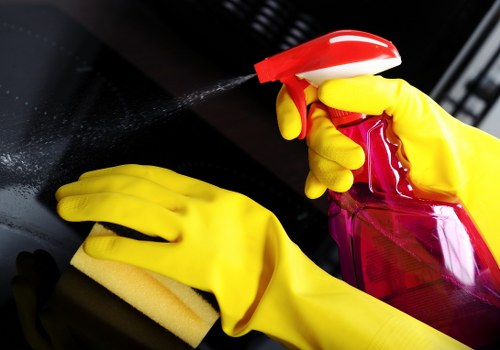 Beyond the headline measures, we focus on everyday recycling habits that keep the system working properly. That includes sorting paper and cardboard separately, rinsing recyclable bottles where needed, and storing dry materials so they remain uncontaminated before collection. We also keep an eye on the way different boroughs organise waste handling, because London’s recycling landscape often changes by area and by material type. Staying adaptable helps us match local expectations and avoid sending recyclable items down the wrong route.
For Carpetcleaning Chelsea, these habits are especially relevant because cleaning operations can generate a mix of material types in a short space of time. If a packaging item is clean enough to recycle, we place it in the correct stream. If an item can be reused, we prioritise that first. If it cannot be recovered safely, we make sure it goes through the correct disposal channel. This hierarchy of reuse, recycle, recover, dispose is central to our environmental approach.
We also review our purchasing choices to reduce future waste. Where possible, we choose refillable containers, durable tools, and suppliers who use recyclable packaging. That means the sustainability benefits begin before a job even starts. When equipment and materials last longer, less ends up as waste, and that reduces pressure on local waste systems.
A More Responsible Carpet Cleaning Service
 Our recycling and sustainability strategy is designed to be practical, measurable, and genuinely local. From a 70% recycling target to partnerships with charities and the use of low-carbon vans, every part of the operation supports a cleaner footprint. The result is a service that aims to meet the needs of customers while respecting the environmental responsibilities that come with working in Chelsea and across nearby boroughs.
As Carpetcleaning Chelsea continues to evolve, we will keep improving how we handle waste, how we travel, and how we support reuse in the community. Sustainability is not a side note; it is built into the way we work. By combining local transfer station use, careful material separation, and charitable reuse, we help make carpet cleaning in Chelsea more responsible from start to finish.